
by Samuel Kontriš, Robert Varga, Filip Čúzy | Leave us your feedback on this post!
Welcome to Part 1 of the PANTHEON.tech Ultimate Guide to OpenDaylight! We will start off lightly with some tips & tricks regarding the tricky documentation, as well as some testing & building tips to speed up development!
Documentation
1. Website, Docs & Wiki
The differences between these three sources can be staggering. But no worries, we have got you covered!
- OpenDaylight Docs – The holy grail for developers. The Docs page provides developers with all the important information to get started or go further.
- OpenDaylight Wiki – A Confluence based wiki, for meeting minutes and other information, regarding the governance, projects structure, and other related stuff.
- [As of 19.11.2020] Some links can be found by adding “-archive” to an older “wiki.opendaylight.org” link since not all information has been migrated.
- OpenDaylight Website – general information, press releases & official documents needed for this product to be present – somewhere.
2. Dependencies between projects & distributions
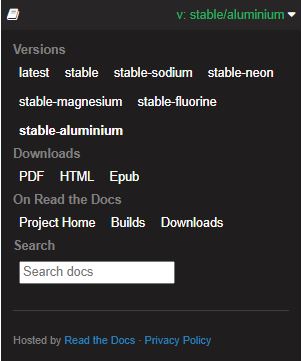
- Find out, which version of which core OpenDaylight project corresponds to which release.
- You can go through various dependencies, by clicking a box in the right-down corner of the website:
3. Contributing to OpenDaylight
4. Useful Mailing Lists
There are tens (up to hundreds) of mailing lists you can join, so you are up-to-date with all the important information – even dev talks, thoughts, and discussions!
- DEV – 231 members – all projects development list with high traffic.
- Discuss – 382 members – a cross-project discussion
- Release – 180 members – milestones & coordination of releases, informative if you wish to stay on top of all releases!
- TSC – 236 members – the Technical Steering Committee acts as the guidance-council for the project
Testing & Building
1. Maven “Quick” Profile
There’s a “Quick” maven profile in most OpenDaylight projects. This profile skips a lot of tests and checks, which are unnecessary to run with each build.
This way, the build is much faster:
mvn clean install -Pq
2. GitHub x OpenDaylight
The OpenDaylight code is mirrored on GitHub! Since more people are familiar with the GitHub environment, rather than Gerrit, make sure to check out the official GitHub repo of ODL!
3. Gerrit
Working with Gerrit can be challenging and new for newcomers. Here is a great guide on the differences between the two.
You can contact us at https://pantheon.tech/
Explore our Pantheon GitHub.
Watch our YouTube Channel.

![[What Is] Network Orchestration](https://pantheontech1.b-cdn.net/wp-content/uploads/2026/03/What-Is-Network-Orchestration-400x250.png)

![[Release] lighty.io 23](https://pantheontech1.b-cdn.net/wp-content/uploads/2026/02/Release-lighty.io-23-400x250.jpg)